Factory Visit
Buyer Delegation at the Assembly Workshop
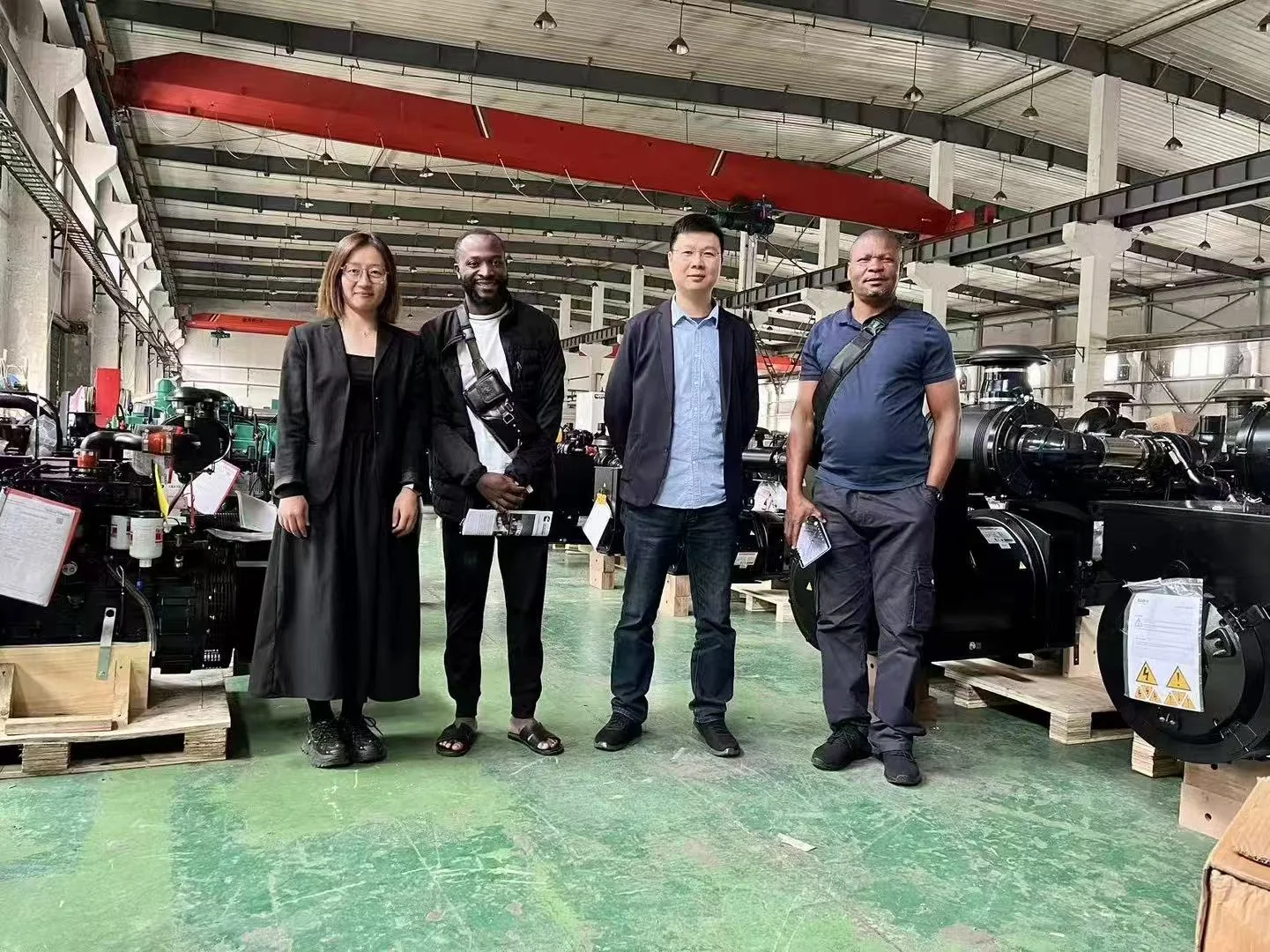
Two overseas buyers walk the Dongguan assembly floor with our sales and technical team. Engine sets in build and awaiting test stand on either side of the aisle.

Buyers from Africa, Southeast Asia, the Middle East and South America come through our Dongguan plant before placing a first order. This page is what they see when they arrive — filmed on the floor, not staged.
One continuous pan across the assembly hall — silent sets, open sets and container enclosures under build at the same time, under the same overhead crane.
A generator set is a machine you run for fifteen years. Most of our export customers ask to see the plant before they place a first order, and we encourage it — the workshop answers questions a catalogue cannot.
Two overseas buyers walk the Dongguan assembly floor with our sales and technical team. Engine sets in build and awaiting test stand on either side of the aisle.
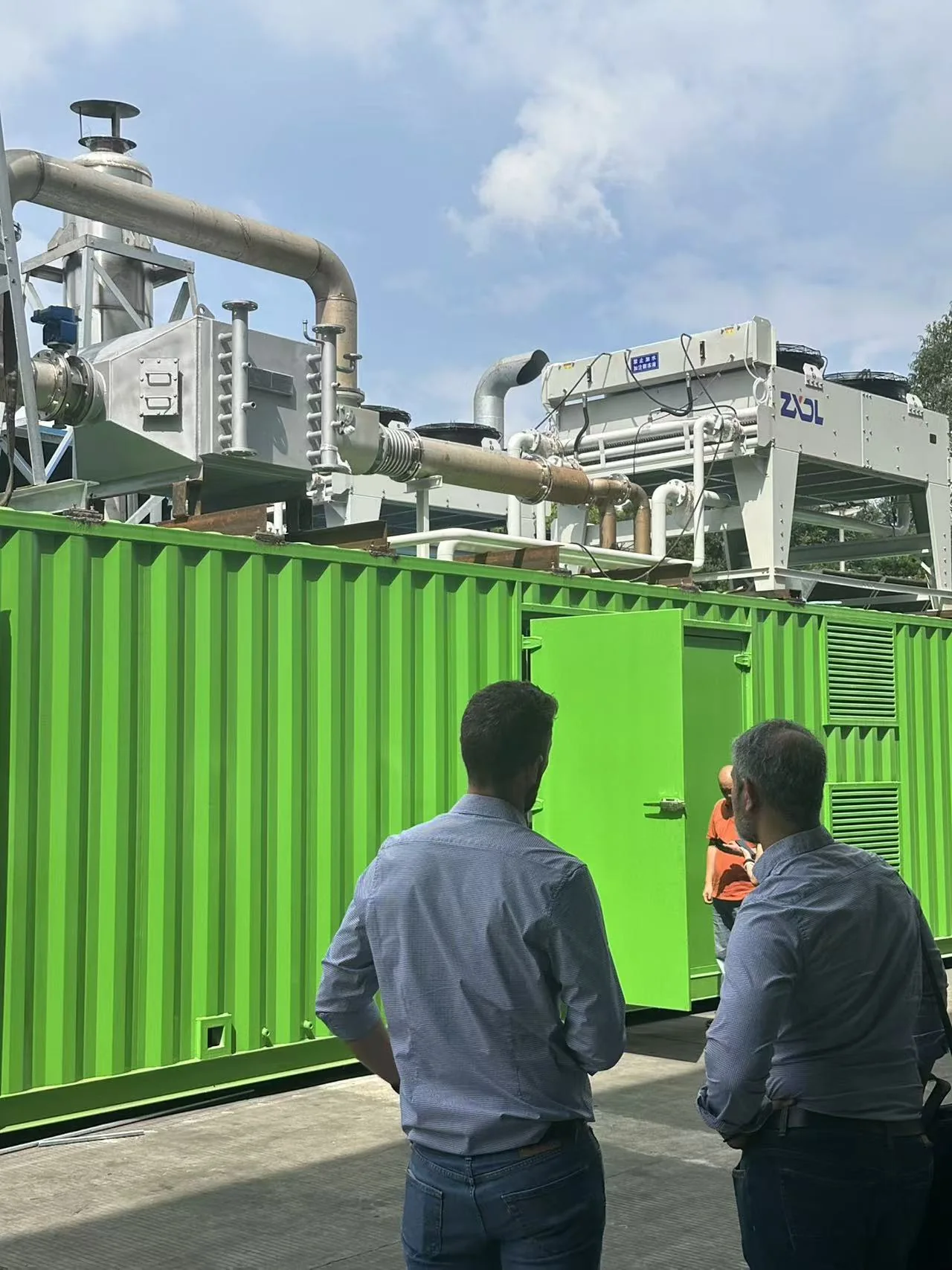
A green containerised generator set under review in the test yard, with the ZOL cooling package mounted on the roof frame and the exhaust train visible above the enclosure.
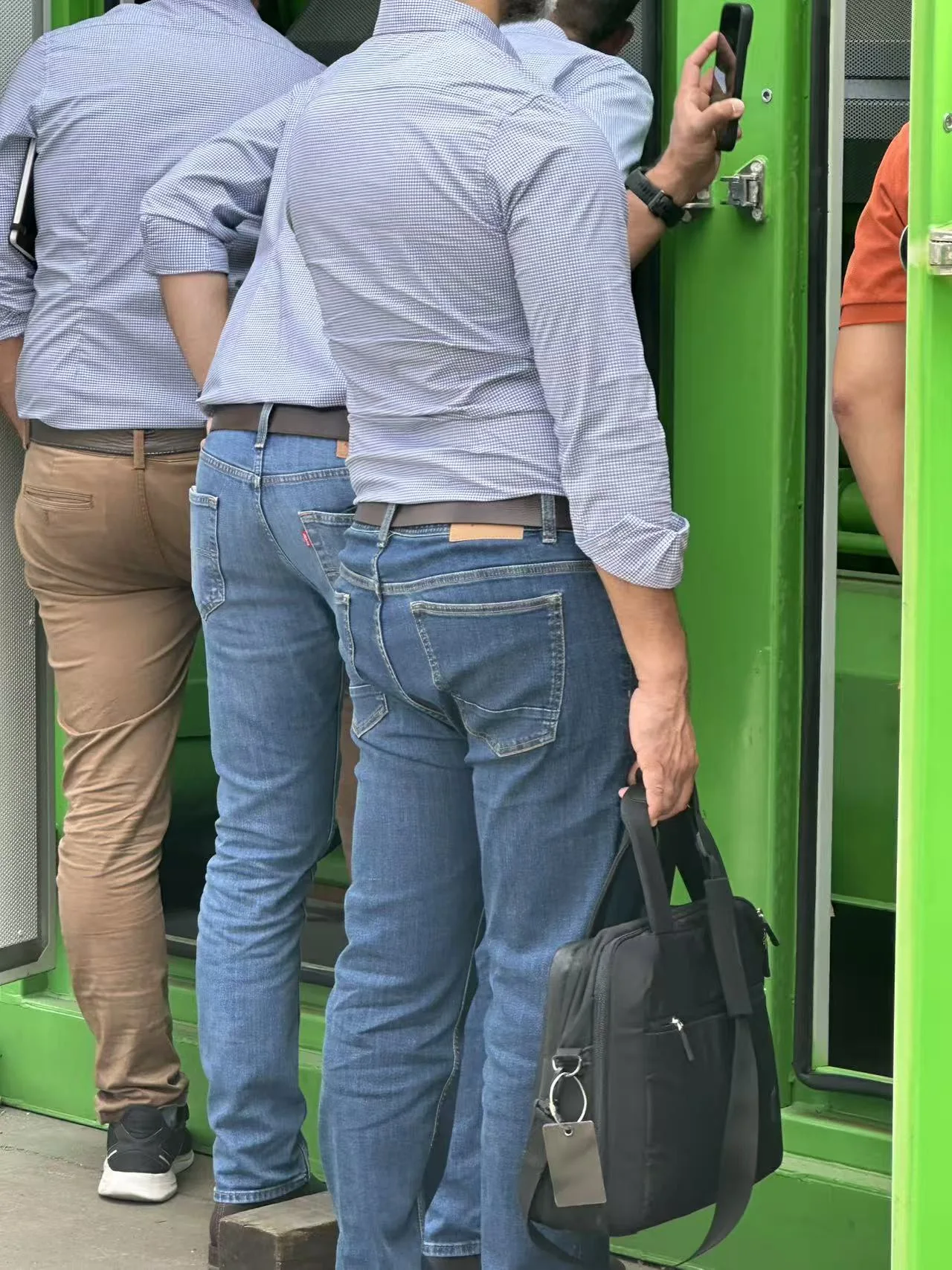
Buyers checking enclosure access, cabling routes and control panel position before signing off on a containerised order. This is the part of a factory visit a datasheet cannot show.
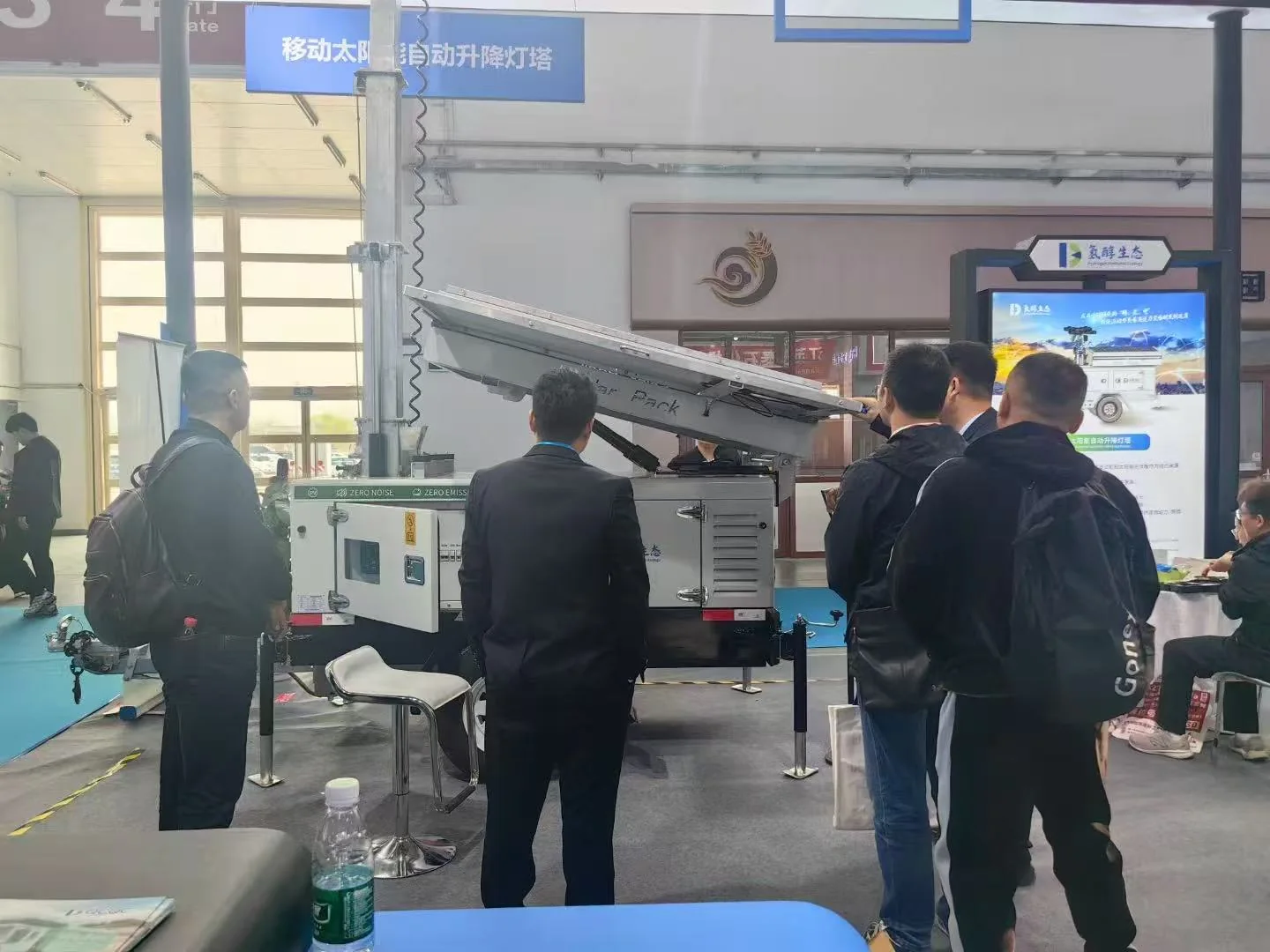
Our solar-charged mobile lighting mast at an industry exhibition — zero noise, zero emission, self-raising mast for construction sites and rental fleets.
Canopies, container enclosures and control cabinets are cut, folded and welded on the same site. That is the line between a manufacturer and an assembler — and it is visible the moment a buyer walks into the fabrication bay.
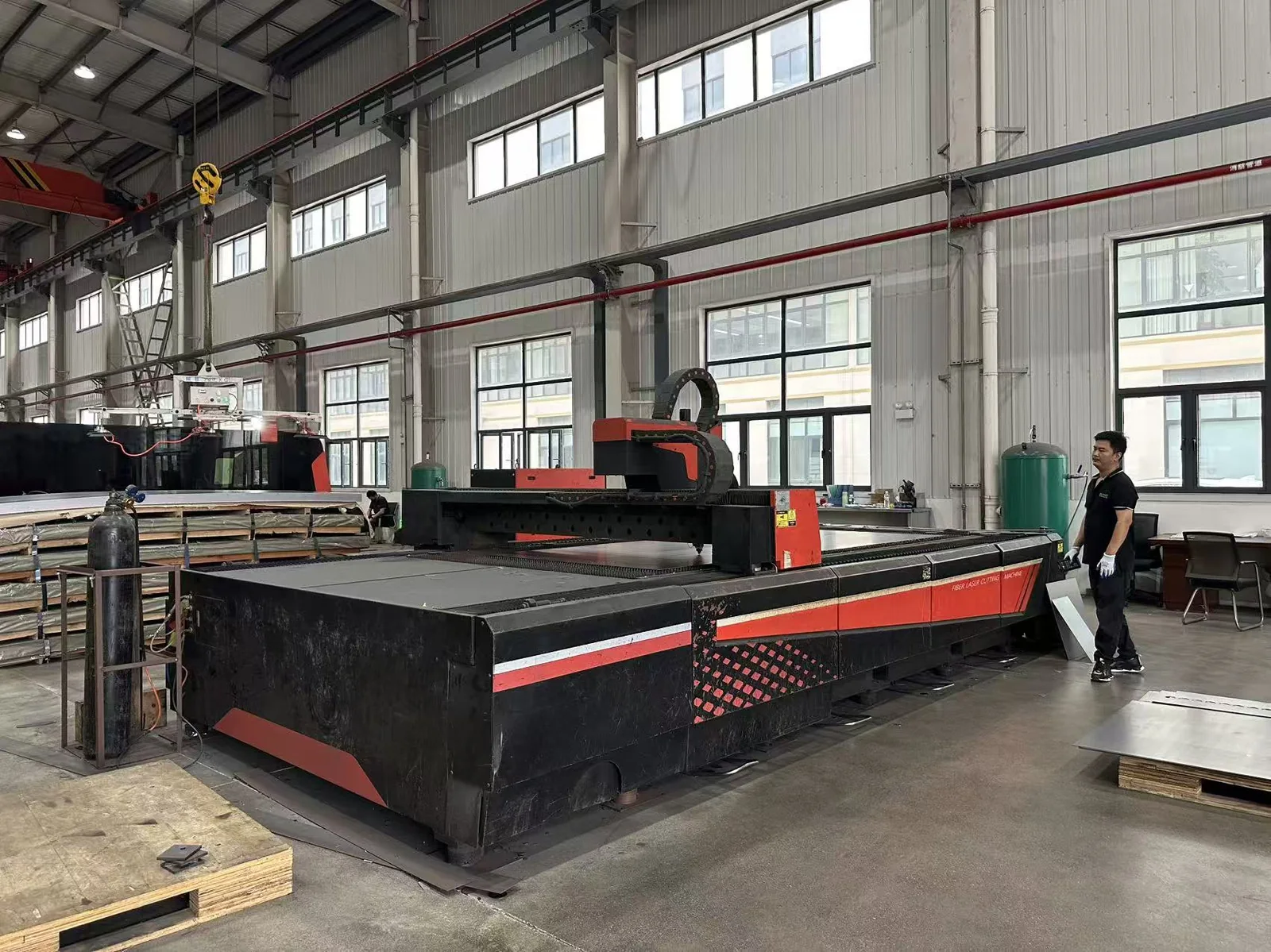
Enclosure panels and base frame plates are cut on our own fibre laser. Cutting in-house is what allows a non-standard canopy size to be quoted with a realistic lead time.
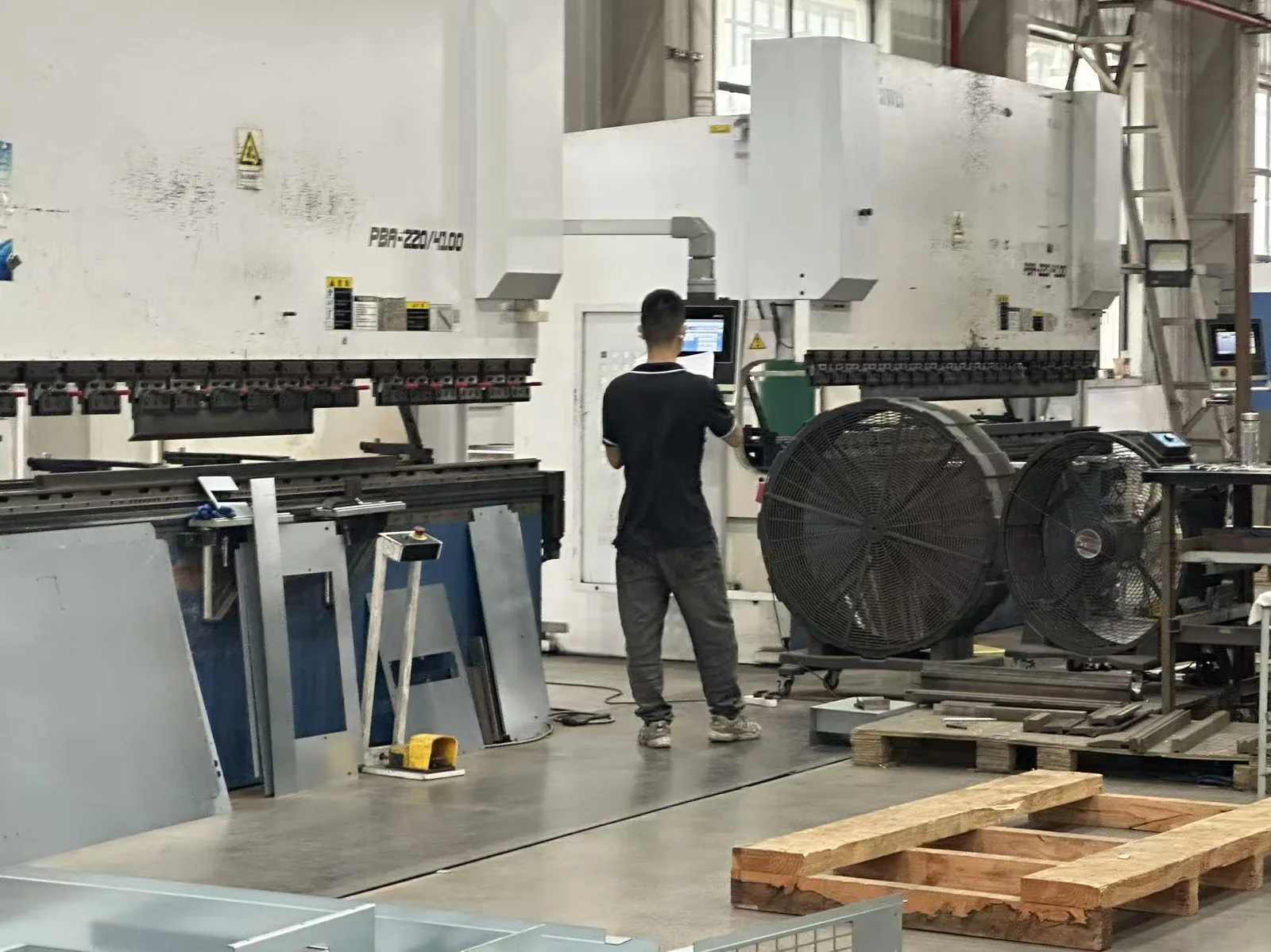
Yawei press brakes rated to 220 tonnes fold the panels to drawing. Consistent bends are the reason a canopy closes squarely instead of needing filler strips.
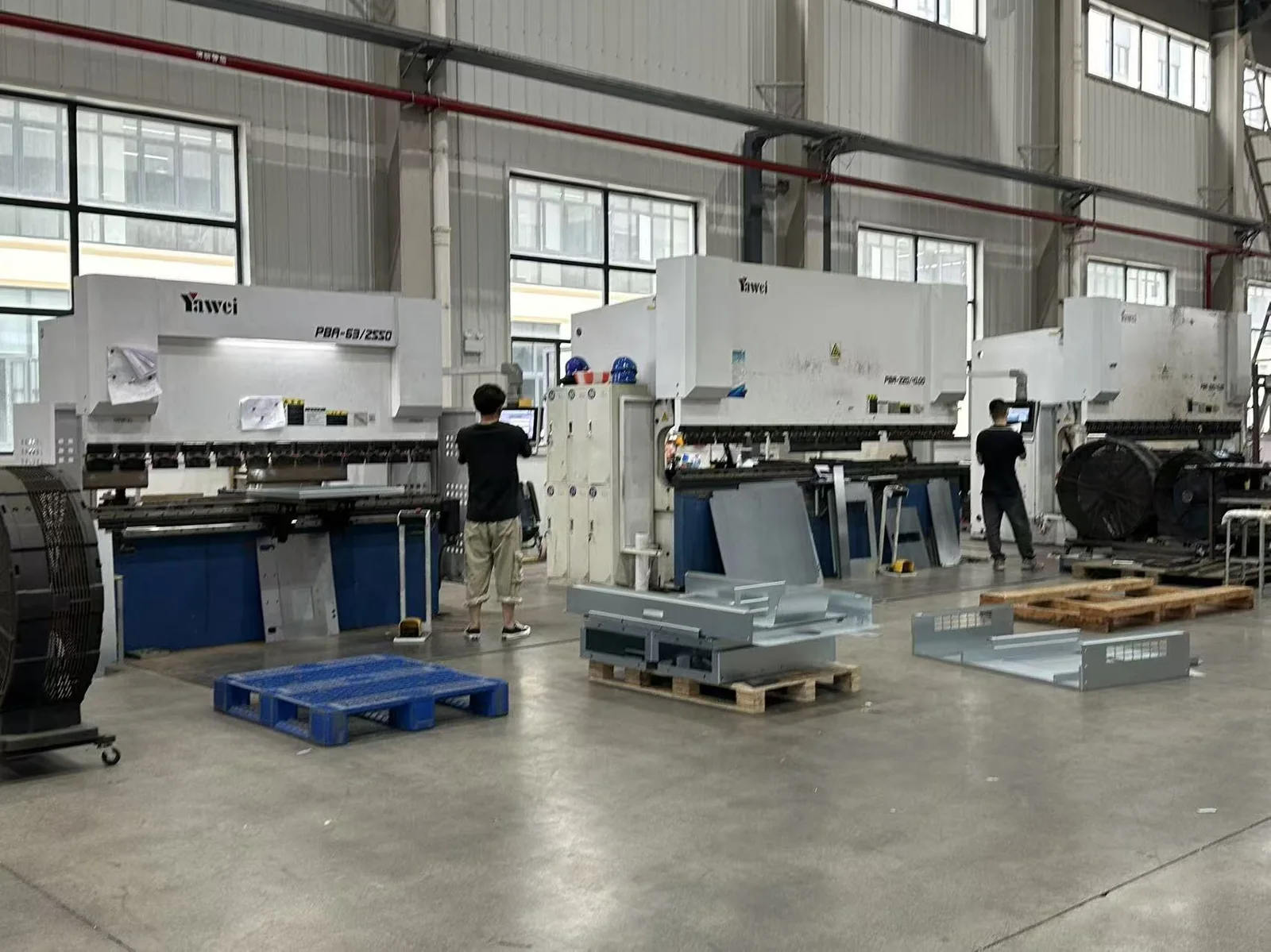
Press brakes run in parallel, which keeps a 20ft container enclosure on a two-week sheet metal schedule rather than a month of outsourced fabrication.
Every base frame is cut, jigged and welded on site before anything mechanical goes near it. What you see being welded is the skid for a containerised set — the part of a generator that fails first when the welding is thin, and the part buyers never get to inspect.
Engine, alternator, radiator and skid come together on the floor, then the canopy goes on around them. The doors are open here because that is how a buyer should see a silent set — not just the painted box.
A container enclosure starts as an empty shell on the shop floor. Acoustic lining, cable trays, control panel and fuel tank go in, then the set is dropped in and tested as one unit. The clips below follow a shell from the fabrication bay out to the yard, and green sets already staged for a project.
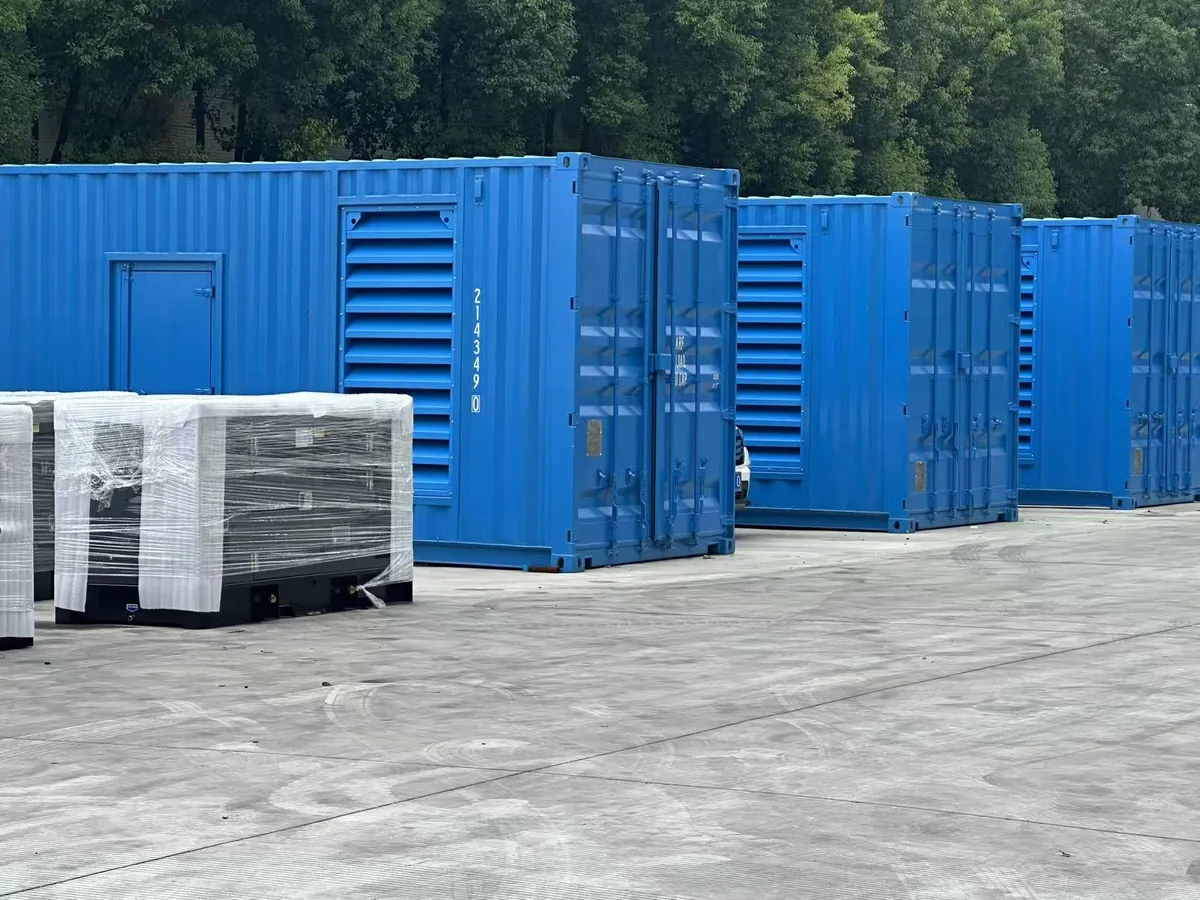
Blue 20ft container sets staged in the yard beside shrink-wrapped silent units. Multi-unit orders leave the plant on one sailing rather than piecemeal.
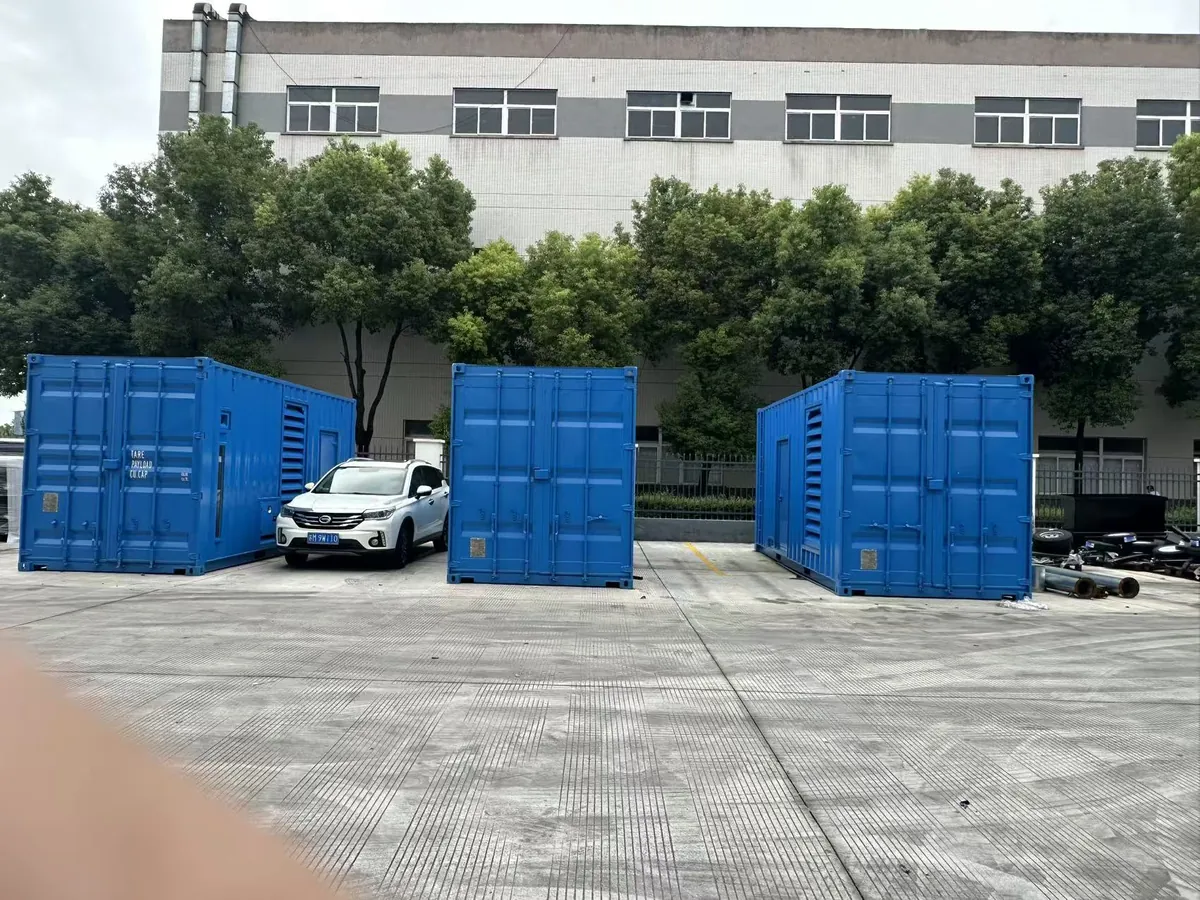
Three containerised sets lined up outside the workshop. The car alongside gives the scale — a 20ft enclosure is a small building, not a skid.
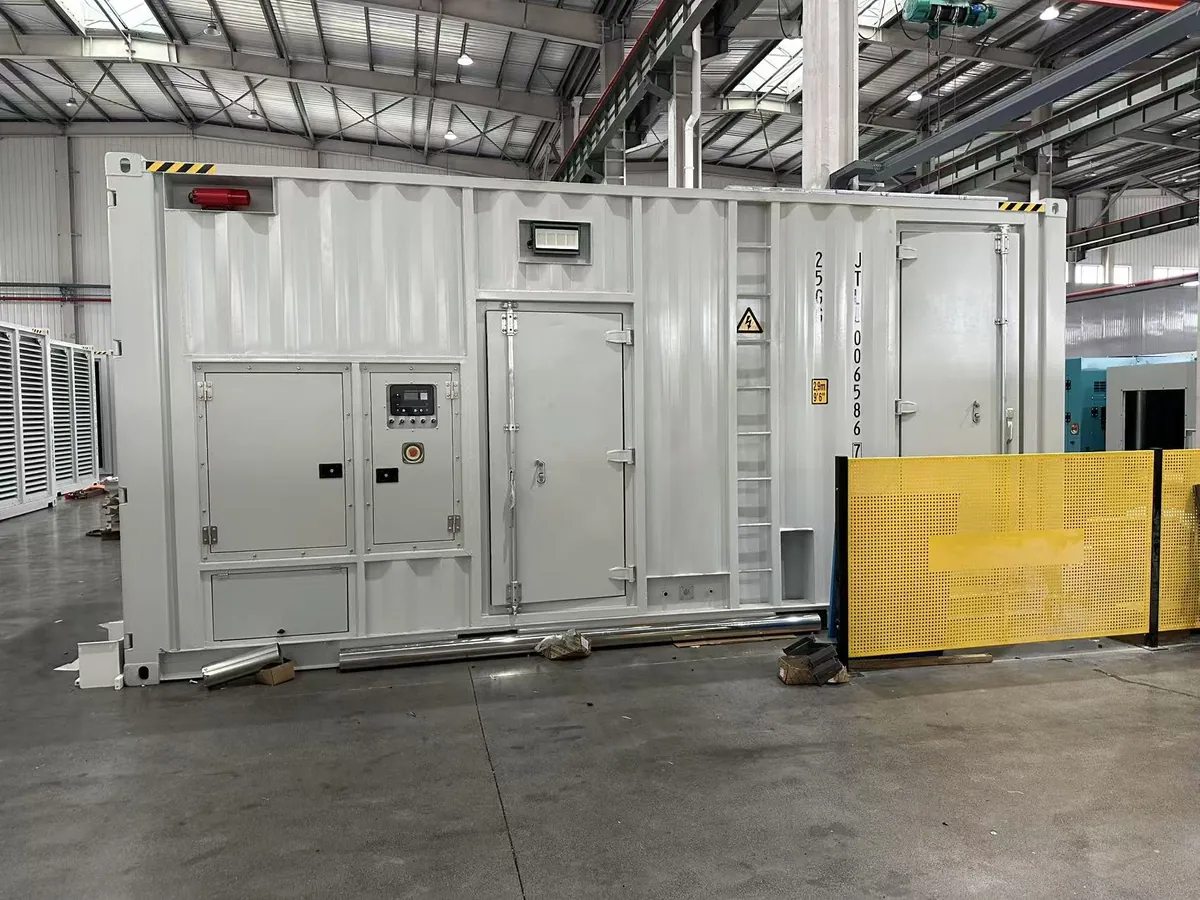
White containerised set with external control panel, access ladder, lifting points and rain hood. Unit numbered JTJ10065867 — a real order, not a show piece.
Walk the finished-goods floor: silent sets in customer liveries, open sets on skids, container units wrapped and waiting for the truck. Stock depth is the difference between a four-week delivery and a four-month one.
The screen on the right is a live test record: 400 Vac, 50 Hz, 1500 rpm, coolant temperature and oil pressure logged as the set steps through its rating. Nothing gets its canopy closed and nothing gets a shipping mark until this run is finished and the figures are filed against the serial number.
Not every job wants a canopy. Large-frame open sets are built as a single liftable assembly, which puts the emphasis on skid stiffness, coupling alignment and radiator airflow rather than on panel work.
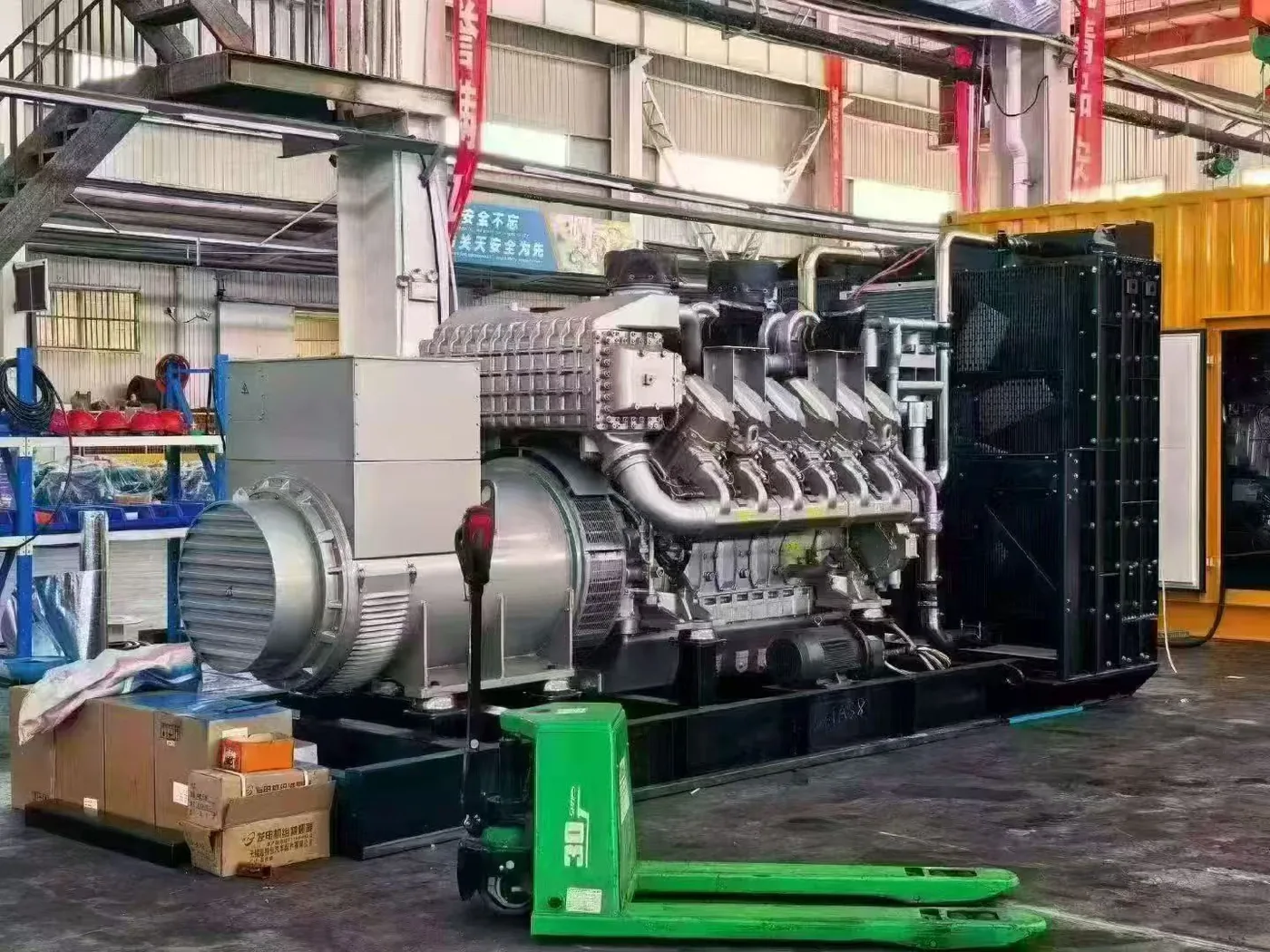
A large-frame open set on the assembly floor: engine, alternator, radiator block and skid assembled as one unit before the canopy goes on. This is the rating range where frame stiffness and alignment matter more than cosmetics.
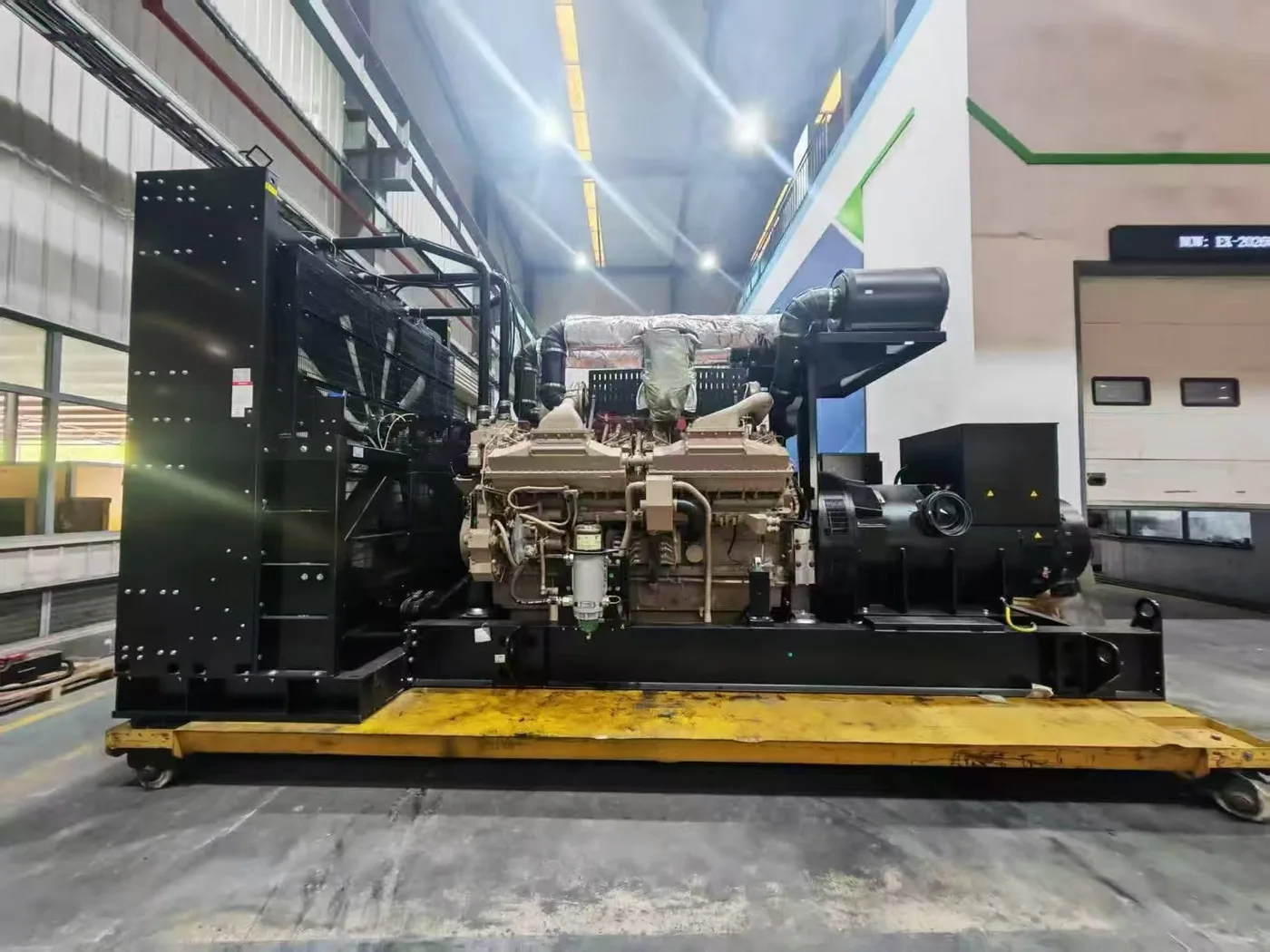
Same class of set on a transport trolley, radiator block and exhaust routed. Large frames are built and lifted as a single assembly, so the skid has to carry the full wet weight without deflection.
From steel sheet to sealed container. These are the stops on a standard plant tour, and the same steps every order goes through.
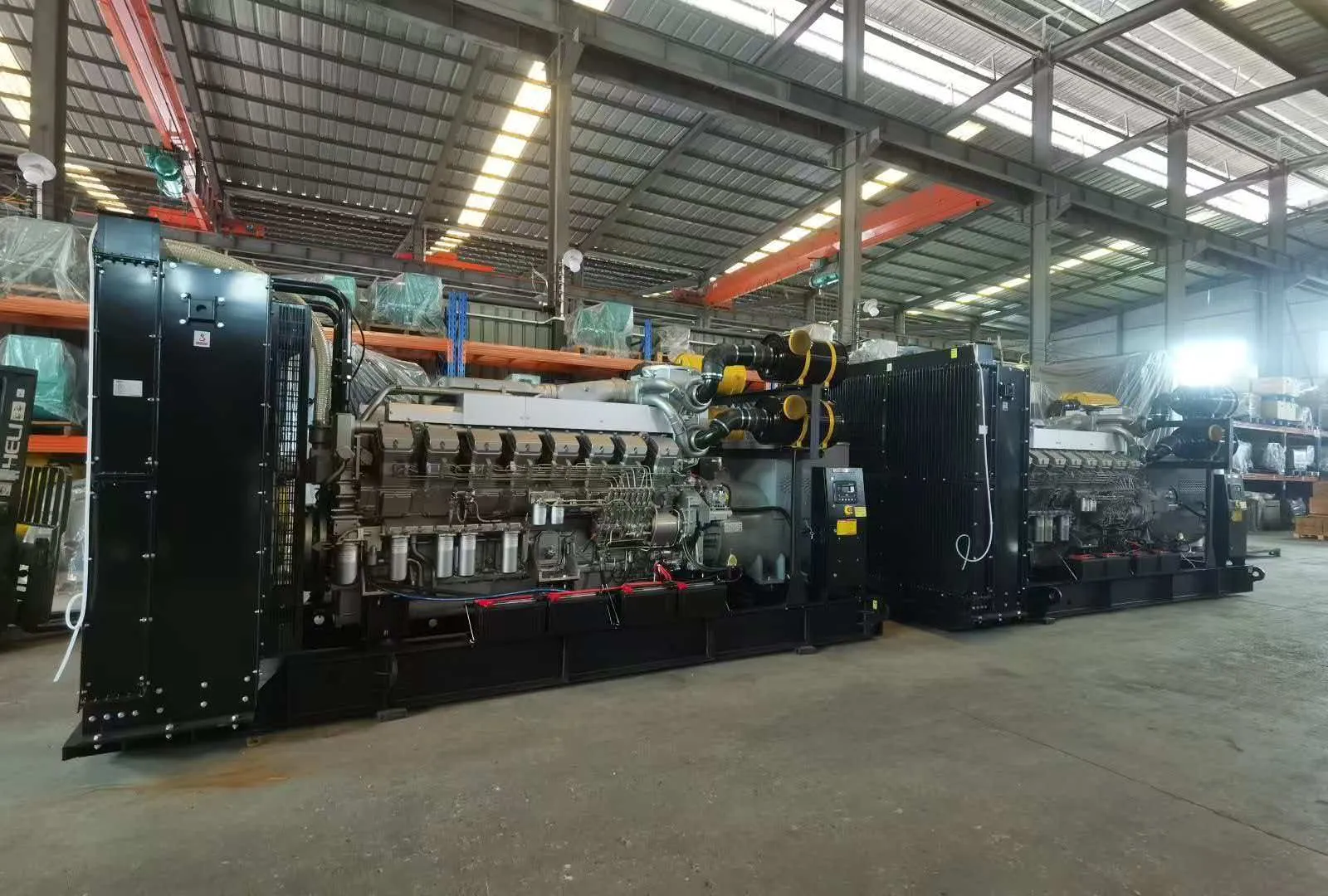
Sets are built in line, not batch-assembled off site. Each frame carries its own build sheet from welding to final test.
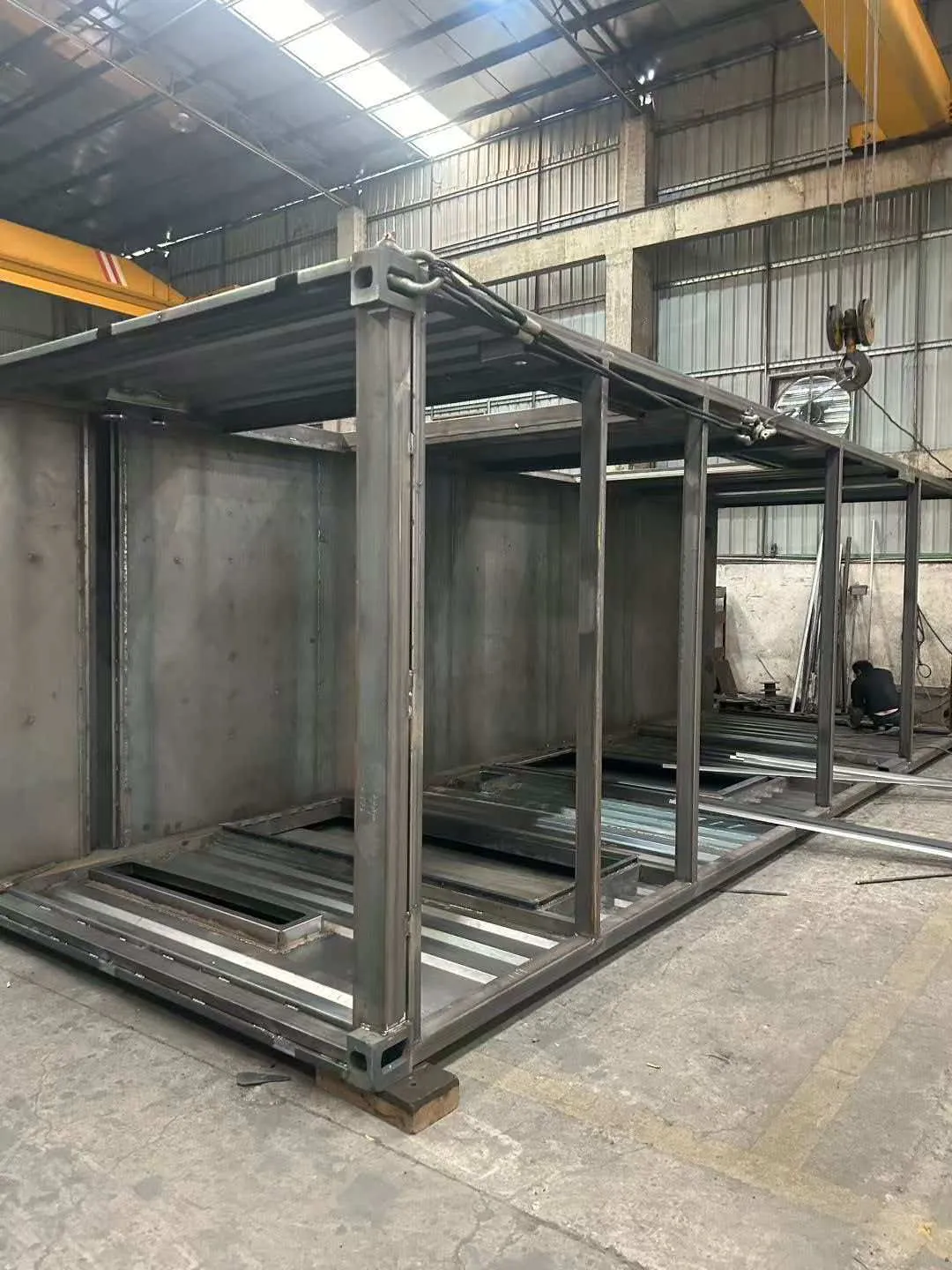
In-house frame fabrication, so skid dimensions and lifting points can be matched to the container or trailer the set will travel in.
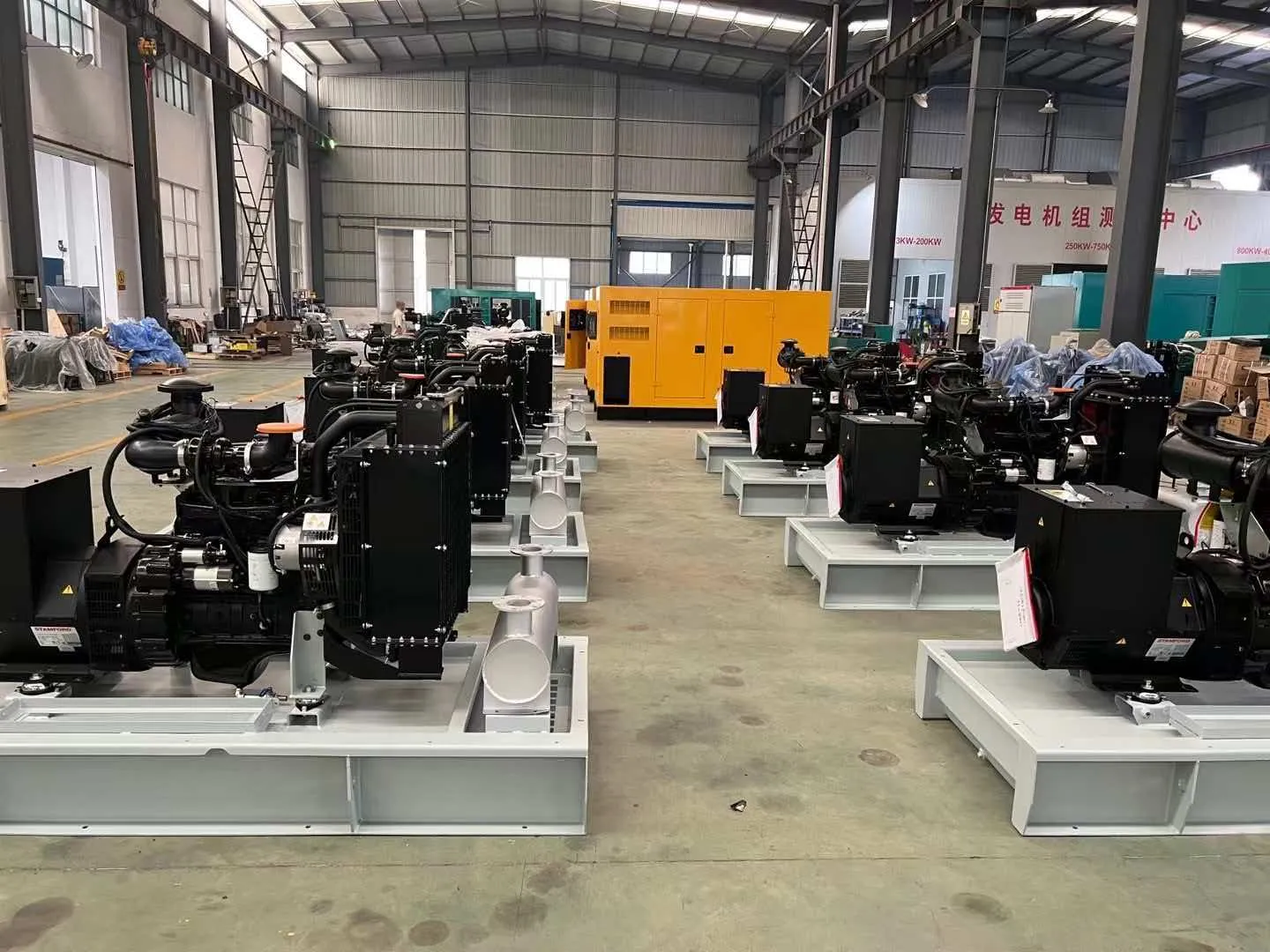
Every set runs at rated output on the load bank before it leaves. Voltage regulation, frequency stability and sound level are recorded per unit.
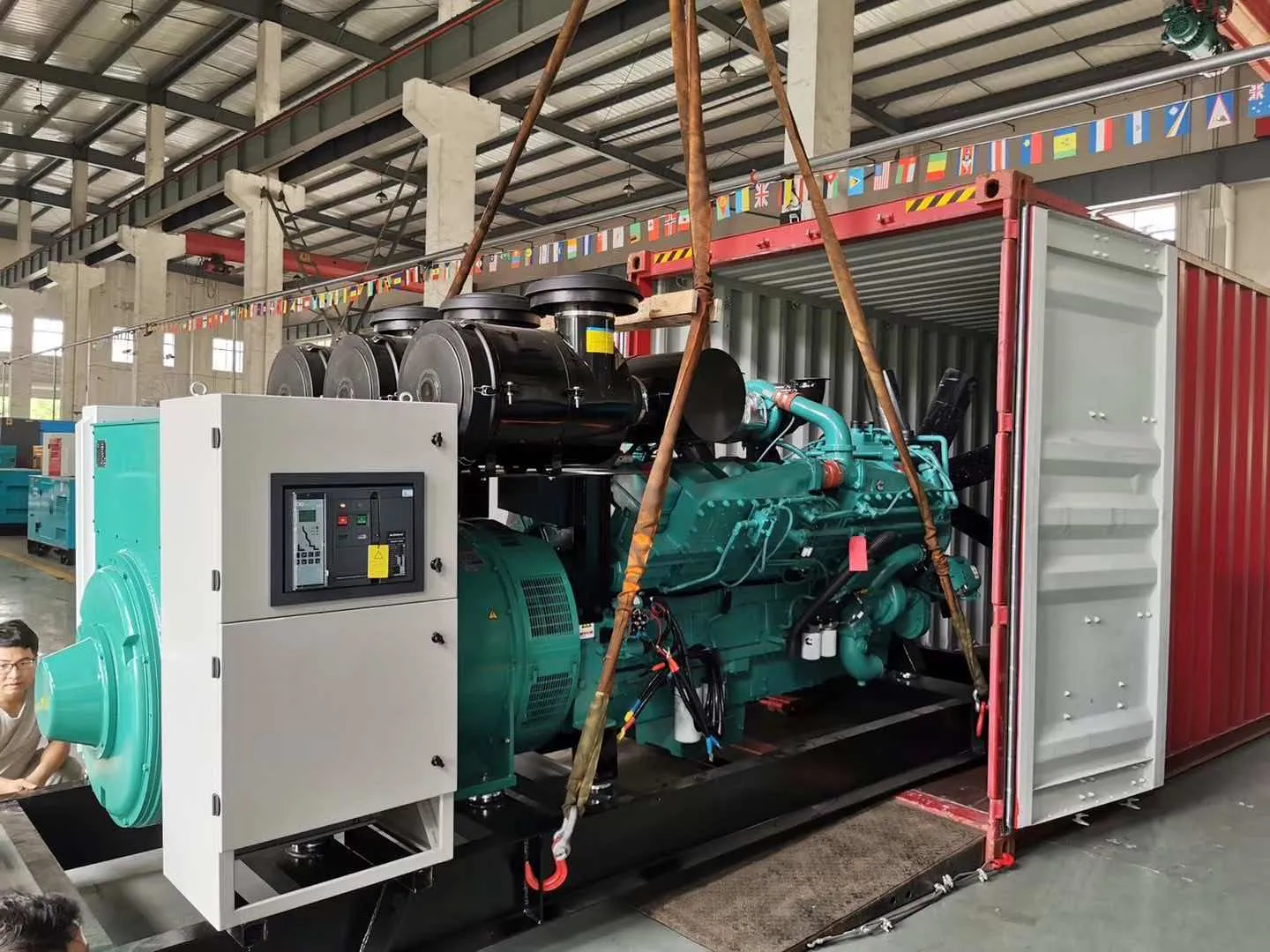
Sets are braced and loaded in-house. Loading photos travel with the shipping documents so the buyer knows what left the yard.
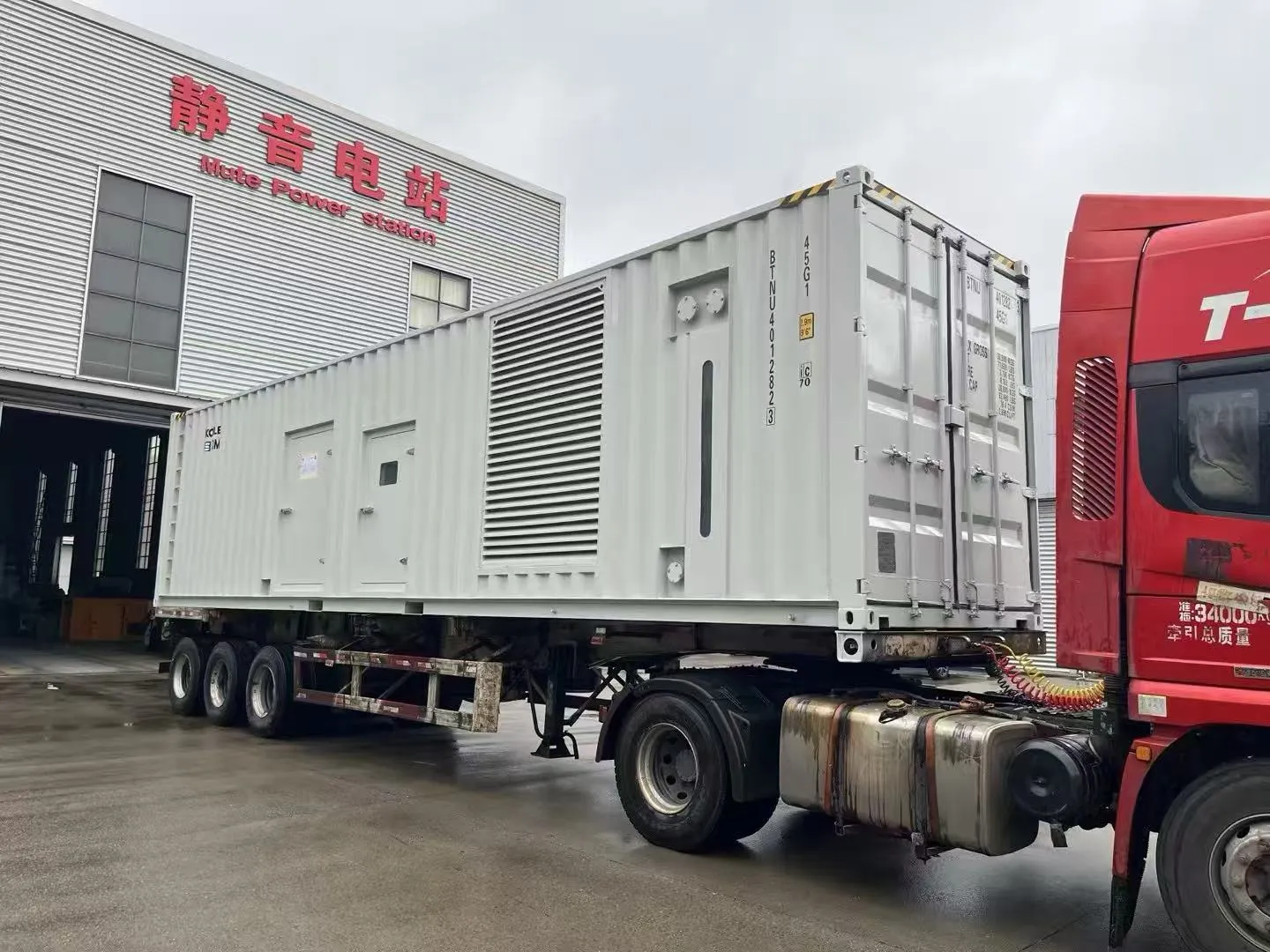
Containerised and open sets dispatched from the same yard, which keeps a mixed order on one sailing instead of two.
The people a buyer meets on the visit are the same people who answer the technical questions afterwards.
Ask for a load bank run on the rating you are buying, not a smaller unit on the same line. We will start it while you are standing there.
Sheet thickness, door hardware, hinges, gland plates and paint finish are the first things that fail in a coastal or desert installation. They are also the first things a photo hides.
Sizing questions, derating for altitude or ambient, paralleling scope — these get settled in twenty minutes across a table and three weeks by email.
If your tender requires a factory audit, we would rather you do it before the PO than after the first shipment. Bring your checklist.
Tell us the ratings you are sourcing and roughly when you will be in Guangdong. We will arrange the workshop tour, a live load bank run on your rating, and a meeting with the engineer who would handle your order.
Arrange a Factory Visit