86-0769-89610677 / 86-13553838770 | info@jinjiadongli.com
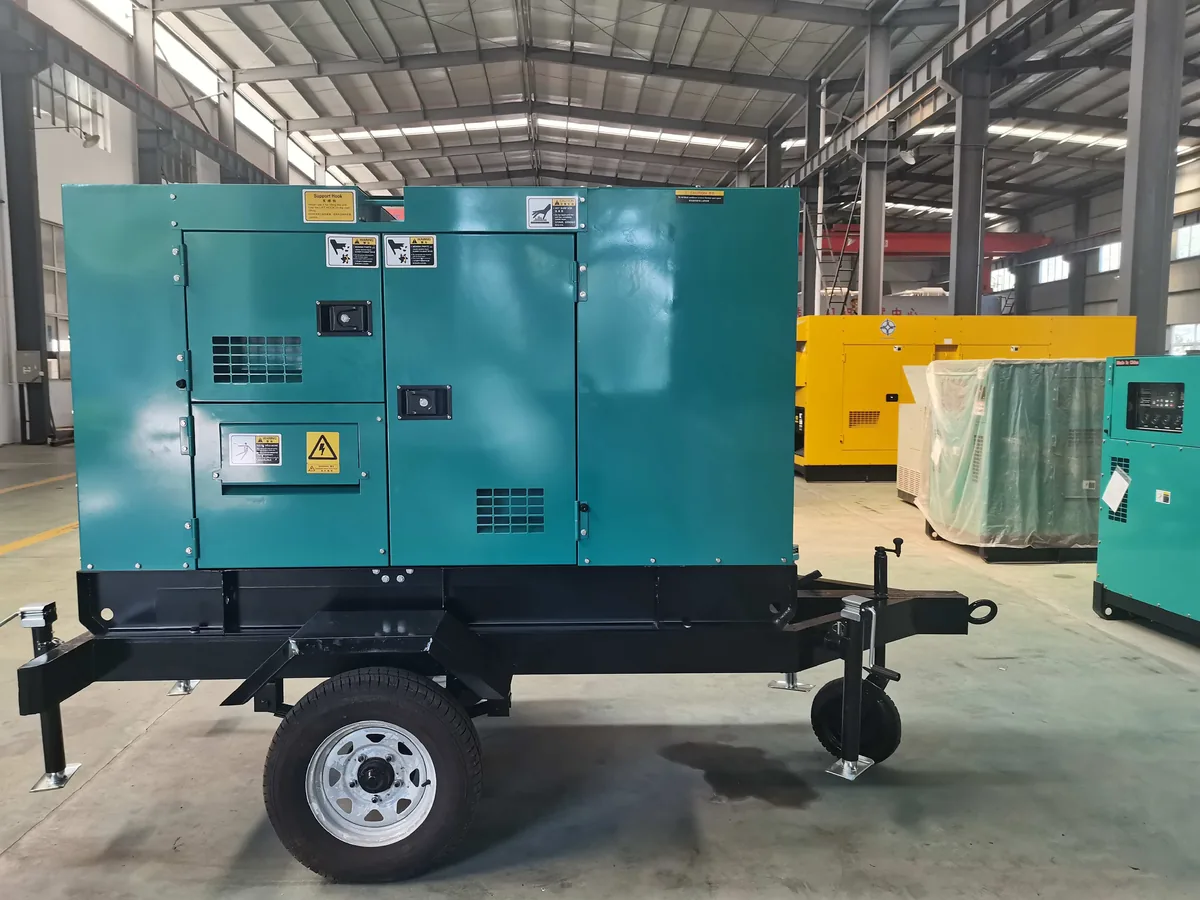
Model: ACBCY13-60SP
Power: 13KW 13KVA Standby / 13KW 13KVA Prime
Status: Brand New, 2 Years International Warranty
Volume, OEM and project pricing available on request.
| Model | ACBCY13-60SP |
| Brand | Yanmar |
| Series | BCY series (Yanmar water-cooled diesel) |
| Standby Output | 13 kW / 13 kVA (ESP) |
| Prime Output | 11 kW / 11 kVA (PRP) |
| Power Factor | 1.00 |
| Phase / Connection | Single phase, 2-wire |
| Voltage | 240 V |
| Frequency | 60 Hz |
| Rated Speed | 1800 rpm |
| Current @ Standby | 54.2 A |
| Current @ Prime | 47.5 A |
| Engine | Yanmar diesel, 1800 rpm |
| Fuel Type | Diesel, EN 590 / ASTM D975 grade |
| Fuel Consumption @ 100% | 4.0 L/h (0.31 L/kWh) |
| Fuel Consumption @ 75% | 3.2 L/h |
| Fuel Consumption @ 50% | 2.7 L/h |
| Fuel Tank | Base-frame tank, typically 50-100 L depending on build |
| Runtime @ 75% Load | 15 hours on a 50 L base tank |
| Alternator | Brushless synchronous, 4-pole, single bearing, direct coupled |
| Insulation / Enclosure | Class H insulation, IP23 protection |
| Voltage Regulation | AVR, +/- 1% steady state, THD < 3% |
| Controller | Automatic panel, manual/auto selector, LCD metering, RS485 Modbus |
| Protection | Over-speed, low oil pressure, high coolant temperature, over/under voltage, over/under frequency, over-current, phase sequence |
| Starting System | 12 V DC electric starter, 12 V charge alternator, battery included |
| Cooling | Radiator cooled, 40 C ambient design |
| Dimensions | Open skid, silent canopy and containerised builds each have a different footprint and weight. The GA drawing with exact L×W×H and dry weight is issued with the quotation. |
| Dry Weight | Open skid, silent canopy and containerised builds each have a different footprint and weight. The GA drawing with exact L×W×H and dry weight is issued with the quotation. |
| Noise Level | Soundproofed version typically 68-72 dB(A) @ 1 m |
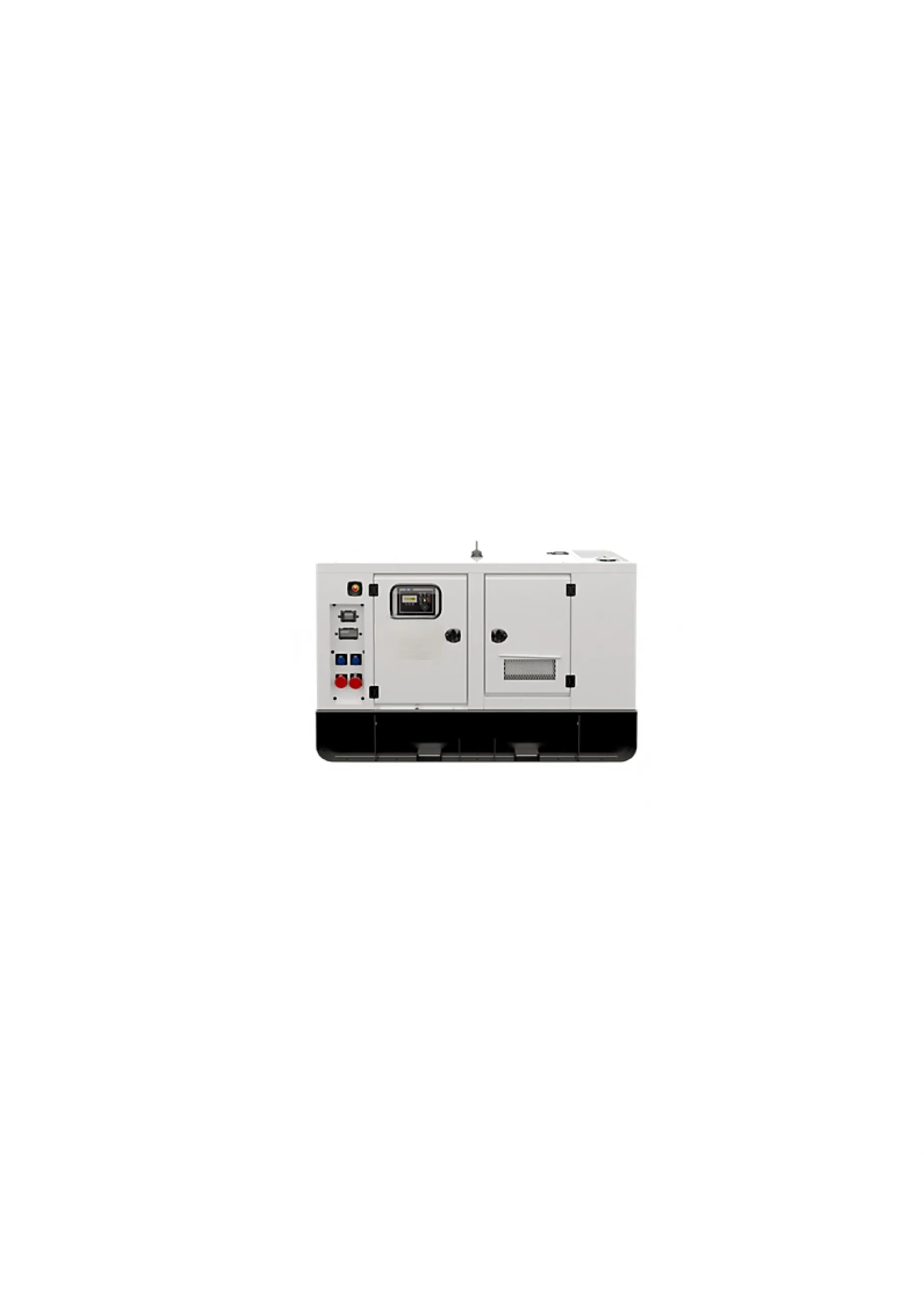
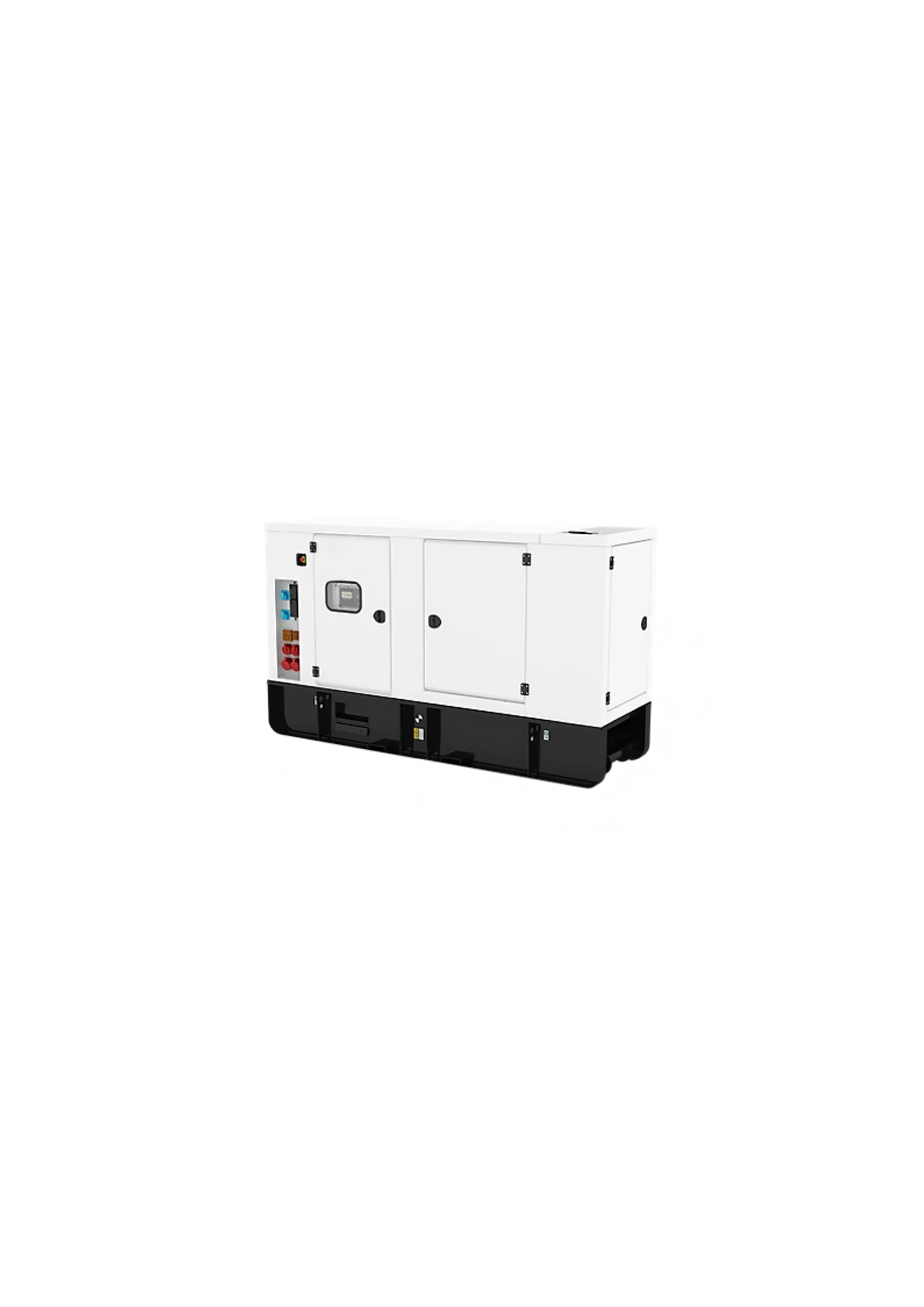
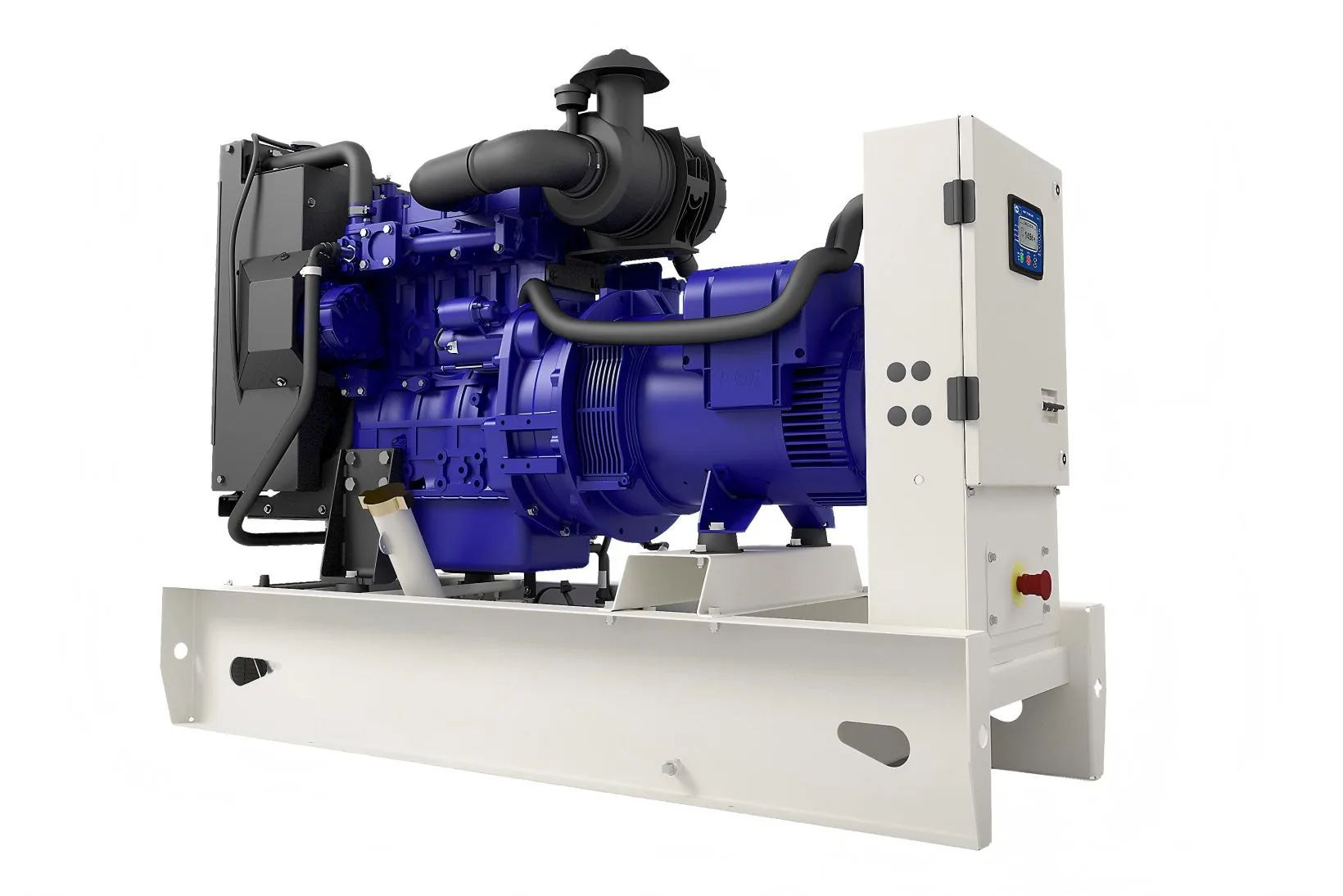
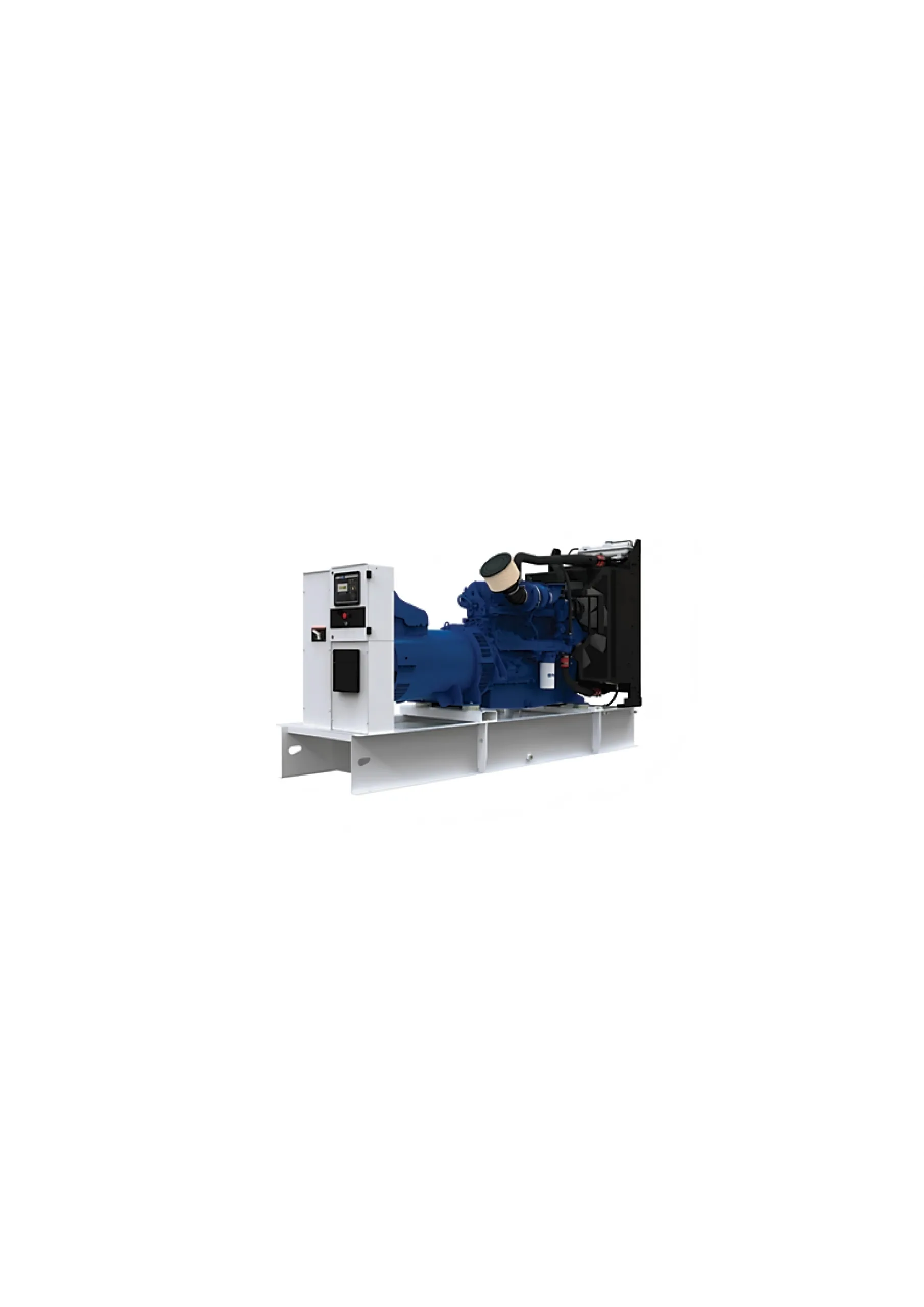
| Enclosure Options | Open skid / weatherproof silent canopy / containerised / mobile trailer |
| Emission | Emission tier depends on the destination market and is confirmed per order — EU Stage V, US EPA Tier 4 Final, or unregulated where the market allows. |
| Standard | ISO 8528-1, performance class G1/G2; CE marking supported by the manufacturing plant's Declaration of Conformity |
| Warranty | 2 years or 2,000 hours, international coverage |
| Availability | IN STOCK, Same day shipping Worldwide available |
| Condition | Brand New, 2 Years International Warranty |
| Quality | Load bank tested in our Dongguan facility |
| Reliability | Made in China; factory load-bank tested |
ACBCY13-60SP at a glance. This is a 13 kW / 13 kVA standby, 11 kW / 11 kVA prime diesel generating set built on a Yanmar platform and wound for 240 V, 60 Hz single phase output at 1800 rpm. It sits in the small stationary class where the set is bought to carry a defined load block rather than to run a plant: a shop, a guesthouse, a telecom cabinet, a small cold store, a farm pump, or the essential circuit of a house. At this rating the physical size matters as much as the numbers, which is why the same machine is offered on an open skid and inside a canopy that fits through a standard doorway.
Reading the model code. ACBCY13-60SP follows the Yanmar BCY convention: BCY is the water-cooled diesel generator family, the two digits are the kW class, -60 means a 60 Hz build, SP marks the soundproofed single-phase version, T4 marks Tier 4 Final emission hardware and a leading A marks the complete package with AVR and control panel rather than a bare engine. Reading it that way, ACBCY13-60SP is a 13 kW single phase machine at 60 Hz.
Why kW and kVA are the same number here. On a single-phase set the alternator is wound and rated at unity power factor, so 13 kW and 13 kVA describe the same load and the ratio is 1.00. That is not marketing rounding: it means the machine delivers its full 13 kW into a resistive or lightly inductive load without the alternator being the limit. The moment a motor is hung on it the power factor drops and the usable kW falls below the kVA, so a 13 kVA single-phase set driving a 0.8 pf load gives about 10 kW, not 13. Size single-phase sets on motor starting kVA, never on the kW figure alone.
Standby and prime are two different machines in one frame. ISO 8528 defines standby (ESP) as the maximum a set may deliver for up to 200 hours a year on a varying load, with no overload capability, and prime (PRP) as the continuous rating under a varying load for unlimited hours with a 10 per cent overload window. This set is 13 kW / 13 kVA standby and 11 kW / 11 kVA prime, so the gap between the two, 1.6 kW, is the margin the engine keeps for overload and for altitude and temperature derating. If the load runs for days rather than hours, quote against prime and treat the standby figure as a peak that must not be sustained.
What the nameplate means once it is wired in. At 13 kVA this set pushes 54.2 A down each line on a 240 V single-phase supply, and 47.5 A at the prime rating. Those currents, not the kVA figure, are what the switchgear and the cable have to survive: the outgoing breaker should be an 80 A frame device set to trip above 59.6 A, and the run from the alternator terminals to the first panel should be 25 mm2 copper per phase for a normal 20 to 30 m span. On this single-phase set the current sits on two conductors rather than three, so the cable is heavier than on a three-phase set of the same kVA, which is the hidden cost of going monophase above about 15 kVA.
The engine behind the badge. Yanmar builds the whole package rather than buying an engine in, which is why the BCY sets are unusually compact for their output. The TNV-series water-cooled diesels used in this class are indirect-injection, mechanically governed units built for continuous duty in marine and agricultural service, and the same basic engine is sold into small boats, refrigeration units and construction equipment. The practical benefit is parts: Yanmar's dealer network is denser than any generator brand's in most export markets.
Emissions. The set is offered in the emission configuration that suits the destination market. The export-tier build has no after-treatment and is the simplest to maintain; the Tier 4 Final build adds a DOC and DPF and is the only version that can be sold into the United States and Canada. Confirm the destination before fixing the engine variant, because the two builds are not interchangeable after the fact.
On the emission marking. This model code carries no trailing emission suffix, which means the set is built to whatever calibration the destination market requires rather than to a fixed stage. In practice that is an advantage at the quotation stage, because the same frame can be ordered as an export-tier build for markets with loose import rules or as a Tier 4 Final build where the rules are tight, without changing the electrical data, the alternator or the canopy. What it does mean is that the engine variant has to be fixed in writing before the order is placed. A set delivered as an export build cannot be upgraded to Tier 4 Final afterwards; the after-treatment is designed into the exhaust and the engine calibration is locked. Confirm the destination country and the certification the buyer needs, then pin the engine variant on the order.
The alternator end. The machine is a brushless, four-pole, single-bearing alternator direct-coupled to the engine flywheel housing, insulated to class H and protected to IP23. Regulation is by AVR at plus or minus one per cent steady state with total harmonic distortion under three per cent, which is clean enough for a UPS input but not clean enough to skip a filter in front of a sensitive analyser. Single bearing means the alternator has no bearing of its own on the drive end: it relies on the engine flywheel, which is why alignment and flywheel housing condition matter at every overhaul.
Control and protection. The standard panel gives manual and automatic modes, LCD metering of phase voltage, line current, kW, pf, kWh and engine oil pressure, coolant temperature and fuel level, plus a Modbus RTU port on RS485 for a building management system. Protection covers over-speed, low oil pressure, high coolant temperature, over and under voltage, over and under frequency, over-current and phase sequence, with the last twelve events held in a rolling log. That event log is the single most useful diagnostic on the machine: when a set trips at three in the morning, the log tells you which of the eight protections opened first.
Canopy and noise. The open skid version is the bare machine on a steel base frame with the radiator exposed; it is the cheapest and the easiest to service but it is loud enough that it cannot sit next to a neighbour's fence. The soundproofed canopy version adds a lined enclosure with a residential-grade silencer and takes the level at one metre down to roughly 68 to 72 dB(A), which is normal conversation at arm's length. For a single-phase set sitting beside a house, the canopy is not optional: the extra cost buys the planning permission.
Fuel and runtime. At full load the engine burns about 4.0 L/h, at 75 per cent about 3.2 L/h and at half load about 2.7 L/h. The litres-per-kWh figure is worst at part load (0.42 L/kWh at half load against 0.31 at full load), which is the counter-intuitive part of sizing: a set run at half load burns more fuel per unit delivered than the same set run hard. On a 50 L base-frame tank that works out to roughly 15 hours at 75 per cent load, and on a 100 L tank roughly double. For anything above eight hours of continuous running, plan a bulk tank with a day tank and a transfer pump rather than relying on the base frame.
Where this rating actually fits. A 13 kW single-phase set is the standard answer for a house, a small guesthouse, a shop, a clinic or a farm where the load is lights, fridges, air conditioning, a pump and a handful of tools. The limit is motor starting: a 2.2 kW borehole pump pulls five to six times its running current for a second, and a 13 kVA set will take that only if nothing else is on line at the same moment. Sequence the loads, or fit a soft starter, and the set behaves; put everything on at once and it stalls.
Parallel operation and transfer. Below about 30 kVA, paralleling is rarely worth the control complexity: two sets need load-sharing governors, synchronising hardware and a common switchgear panel, and the cost of that exceeds the cost of simply buying one larger set. What this rating does need is a proper transfer arrangement: a manual changeover switch if the site is attended, an automatic transfer switch with a mains-failure sensor if it is not. The set itself accepts a remote start signal on a two-wire dry contact, which is all an ATS needs.
Maintenance that actually gets done. Oil and oil filter at 250 hours or annually, whichever comes first; fuel filter and air filter at 500 hours; coolant condition checked annually and changed at two years; valve clearance checked at 1,000 hours. The item most often skipped is the load bank test: a set that runs monthly on a light load will wet-stack and glaze the bores, and the first time it sees a real load it will smoke and under-perform. Run it at 75 per cent load for an hour every quarter, and record the exhaust temperature, because that is the number that tells you the engine is healthy.
Sizing it against a telecom site. A 13 kVA set at a base station is not sized on the average load, which is often under 3 kW, but on the air-conditioning surge and the battery recharge that follow a long outage. The rectifier bank pulls a steady 8.1 kW, the air conditioner adds a compressor start of three to five times its running current, and the batteries want everything the rectifier can give once mains returns. That combination is why a site that averages 4 kW is routinely given a 13 kVA machine: the set has to survive the worst ten seconds, not the average hour. Run the numbers with the compressor locked out during battery recharge and the rating often falls by a step, which is worth doing because the price step between frames is real. Fit a two-wire remote start from the site controller and let the set sit unloaded the rest of the year.
The exhaust run. The exhaust is the part of the installation most often got wrong. Keep the run as short and as straight as the site allows, support it independently of the engine so the weight does not hang on the manifold, and slope it away from the engine so condensate drains out rather than back into the turbo or the silencer. Every metre of straight pipe and every bend adds back-pressure, and the engine has a limit that is measured in kilopascals, not in guesswork. On a canopy build the exhaust exits through a bellows section and a wall thimble; on an open set it goes to a stack. Terminate it away from windows, air intakes and anything that can be damaged by heat, and fit a rain cap that does not restrict flow.
Coolant loss and the overheat chain. Overheating on a set this size is almost never the thermostat alone. The chain is: a slightly low coolant level, a partially blocked radiator core from dust or insects, a fan belt that is a little slack, and a hot day. Each is trivial and the combination shuts the set down at the worst moment. Check the coolant level weekly rather than monthly, clean the radiator fins with compressed air from the fan side, and replace the belt at the interval rather than when it looks bad. If the set has a low-coolant-level sensor, test it at every service, because a failed sensor is invisible until it matters.
The spare parts kit that pays for itself. For a set in a remote location, the difference between a two-day repair and a two-month repair is a box of parts. The kit worth carrying at this rating is small: a set of fuel, oil and air filters, a fan belt, a water pump seal, a thermostat, an AVR, a set of sensors for oil pressure and coolant temperature, and a spare controller if the site cannot tolerate a wait. That kit costs a fraction of the set and it converts the most common failures from procurement events into maintenance events. It also removes the temptation to run a failing set because the part has not arrived.
Excitation and motor starting. The alternator is excited by an AVR feeding a rotating field through a diode pack, and its ability to start a motor is limited by the short-circuit ratio and the transient reactance, not by the kW rating on the plate. As a rule of thumb a set this size will start a direct-on-line motor of about a quarter of its kVA if nothing else is on load, and less if the load block is already running. Star-delta, soft start or a variable-frequency drive improves that by a factor of two to three, which is usually cheaper than the next frame up. If the site has a single large motor that starts often, quote the motor first and the set second, rather than the other way round.
Where it sits in the range. Within the same Yanmar family at 60 Hz, one step up is the ACBCY18-60SP at 18 kW / 18 kVA. The step between frames is a different engine displacement and a different alternator core, not a re-rated plate, so the price step is real rather than administrative.
How to order it. Quote five things together and the factory cannot get it wrong: the model (ACBCY13-60SP), the standby and prime rating, the voltage and frequency (240 V, 60 Hz), the phase (single phase), and the enclosure (open skid, soundproofed canopy, containerised or trailer). Add the emission tier if the destination is regulated. Anything else, including the controller variant, the alternator brand and the fuel tank size, is a build option rather than a different machine.
Standby output is 13 kW / 13 kVA (ESP), prime output is 11 kW / 11 kVA (PRP). The standby (ESP) figure is the maximum the set can carry for the duration of a mains failure and is not meant for continuous running. The prime (PRP) figure is what it can hold indefinitely at a varying load. Match the rating to the duty the set will actually see — running a standby-rated machine as prime voids the warranty.
The ACBCY13-60SP is wound for 240 V, 60 Hz, single phase, 2-wire, running at 1800 rpm. Voltage and frequency are fixed when the set is built, so confirm the site supply before the order is released. Other voltages and both 50 Hz and 60 Hz builds are available on the same frame.
The ACBCY13-60SP is powered by a Yanmar diesel engine. Engine and alternator are matched on the test bed, so the set reaches its rating without derating.
Fuel consumption is 4.0 L/h (0.31 L/kWh) at 100% load, 3.2 L/h at 75% load and 2.7 L/h at 50% load. These are measured figures on the standard build at those load points; real consumption shifts with load profile, ambient temperature and fuel quality. Send the expected daily running hours and average load if you want a duty-cycle estimate.
Runtime is 15 hours on a 50 L base tank. Tank capacity can be increased on request, and runtime scales directly with it against the consumption figures above.
Sound pressure is 68-72 dB(A) @ 1 m on the soundproofed build. An open skid set is considerably louder and needs either an acoustic canopy or a separate plant room to meet site noise limits.
The ACBCY13-60SP is available as open skid, weatherproof silent canopy, containerised or mobile trailer. Enclosure choice changes footprint, weight, noise level and price, so specify it with the enquiry and the quotation will match the build.
The ACBCY13-60SP ships with an automatic panel, manual/auto selector, LCD metering, RS485 Modbus and a brushless synchronous, 4-pole, single bearing, direct coupled alternator. Both are build options — alternative controllers and alternator makes can be specified when the order is placed.
On this set, voltage is held by an AVR, +/- 1% steady state, THD < 3% and the machine is built with Class H insulation, IP23 protection. That grade of regulation suits motors, pumps and most electronic loads; for sensitive IT or medical equipment, specify the higher-grade controller option.
The controller trips on over-speed, low oil pressure, high coolant temperature, over/under voltage, over/under frequency, over-current, phase sequence. These shutdowns stop the set before damage occurs, which is what makes an unattended standby installation safe to leave running.
Warranty is 2 years or 2,000 hours, international coverage. It applies to the set as configured — running outside the rated duty, using non-specified fuel or skipping scheduled service will void it.
Send the model (ACBCY13-60SP), the duty (standby or prime), voltage and frequency, phase, and the enclosure type you need. Jinjia Power quotes against a confirmed configuration rather than a list price, so the figure you receive matches the machine that ships. Typical lead time is 20–30 days for units up to 1000 kW and 30–45 days above that.
Jinjia Power Equipment Co., Ltd | Address: No.737, Guanzhang Road, Liaobu Town, Dongguan, China
Phone: 86-13553838770 | 86-0769-89610677 | info@jinjiadongli.com
Jinjia Power, Quality Assured